Gum Disease Treatment Jonesboro
Rejuvenate Your Gum Health
 Periodontal (gum) disease is one of the most common oral and overall health concerns among US adults. A recent study conducted by the Centers for Disease Control and Prevention revealed that nearly 50% of US adults over the age of 30 suffer from some form of it. Left untreated, even mild periodontal disease (gingivitis) can lead to a number of oral and overall health risks. If you have this condition, Dr. Yarnell and our Jonesboro, AR, team are ready to help! We offer effective treatments that can rejuvenate your gum health.
Why Choose Woodsprings Family Dentistry for Gum Disease Treatment?
- Highly Skilled & Detail-Oriented Dentist
- Non-Surgical Intervention for Gum Disease
- Insurance-Friendly Dental Practice
What Is Gum Disease?

Put simply, gum disease (also known as periodontal disease) is an infection in the pink tissue that surrounds the teeth. In its early stage, it is known as gingivitis. Advanced gum disease is called periodontitis.
Gum disease occurs when harmful bacteria sneak beneath the gumline and cause inflammation. It is a leading cause of tooth loss, and it is associated with an increased risk of numerous systemic health conditions. Some of the biggest risk factors for gum disease include poor oral hygiene, smoking, and a poor diet.
Symptoms of Gum Disease

Gingivitis may cause:
- Persistent bad breath that does not go away when you chew gum or use breath mints.
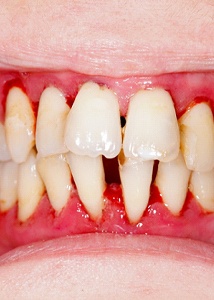
- Red, swollen gums.
- Gums that tend to bleed easily when you brush and floss.
- Minor gum recession.
- Noticeable pockets between your teeth and gums.
Periodontitis can lead to the same symptoms as gingivitis, but only worse. It can also lead to:
- Major gum recession.
- Loose teeth.
- Tooth loss.
- Changes in bite.
- Changes in the way dentures and other types of restorations fit.
- Pain while biting and chewing.
How Do We Treat Gum Disease?

In some cases, mild instances of gum disease can be reversed via a few changes to your at-home oral hygiene routine; our team can coach you on what to do. In other cases, more in-depth intervention is necessary. We may recommend one or both of the following therapies:
Scaling & Root Planing

If you have gum disease, Dr. Yarnell will likely recommend scaling and root planing in Jonesboro to save your smile. Also called a deep cleaning, the treatment is crucial to removing harmful buildup to restore your gum health. As the most common approach to treat the infection, you can rest assured your smile is in good hands. Dr. Yarnell will create the personalized plan you need to stop the infection and rehabilitate your dental health with periodontal therapy.
How Do I Know if I Need Scaling & Root Planing?
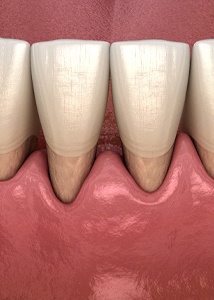
Next to tooth decay, gum disease is equally devastating to your oral health. Although it’s preventable, at least 50% of Americans have the infection, which develops from bacteria found in plaque and tartar accumulations. While the earliest stage of the infection (gingivitis) can be treated quickly, gum disease is the leading cause of tooth loss because people don’t often recognize there’s an issue until it’s too late.
Routine dental appointments allow Dr. Yarnell to detect the infection to provide quick intervention. If you have common signs of gum disease, scaling and root planing may be necessary, such as:
- Bleeding gums
- Inflamed or red gums
- Deep pockets
- Gum recession
- Loose teeth
- Pus near the roots of the teeth
- Bone loss
How Does Scaling & Root Planing Work?
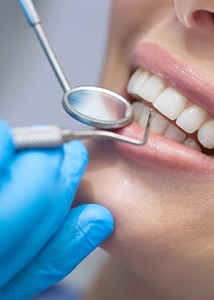
Scaling and root planing consist of two procedures, which may be recommended during your semi-annual cleaning and checkup. Scaling is performed first. A special dental instrument is used to remove tartar from above and below the gum line. After the gingival pockets are clean, another dental instrument is used to smooth the root surfaces, called root planing. This allows your gum tissue to reattach to your teeth to create a seal to prevent the infection from recurring. Depending on the severity of the infection, Dr. Yarnell may suggest more than one appointment to complete the treatment.
You’ll be given strict aftercare instructions to follow to avoid reinfection, which can include more frequent cleanings and checkups. You’ll also need to make changes to your home oral hygiene routine to avoid future tartar buildup.
Benefits of Scaling & Root Planing
Gum disease not only damages your oral health, but it can also have detrimental consequences for your general health. Scaling and root planing can safeguard your smile and overall health. When choosing a deep cleaning, you’ll benefit from:
- Stop gum disease to get your dental health back on track.
- Protect the roots to prevent tooth loss.
- Eliminate bad breath caused by the infection.
- Prevents tooth decay in the periodontal pockets.
- Effective, minimally invasive solution to treat gum disease.
Antibiotic Treatment

A deep cleaning alone generally won’t be enough to get rid of all the bacteria that are contributing to your gum disease. That’s why our team often combines scaling and root planing with antibiotic treatment. With the help of special medication, we can further lower the bacteria levels in your mouth, reduce gum inflammation, and encourage the healing process. Below is a closer look at how antibiotic treatment works and the benefits of using it to restore the health of your gums.
What Is Antibiotic Treatment?

An antibiotic is a type of medication that can fight bacteria in order to treat an infection. There are a variety of antibiotics that can be used for gum disease treatment in Jonesboro, and they can come in different forms, such as pills or mouthwash. When we prescribe antibiotics, we’ll give you instructions regarding the proper dosage and how long you need to take the medicine. The specifics of your treatment plan will be carefully tailored to meet your unique needs.
Why Combine Antibiotic Treatment with Scaling & Root Planing?

Using antibiotics along with scaling and root planing makes it easier to fight bacteria that might be hiding in hard-to-reach areas. This combination is particularly effective for those who might have deep periodontal pockets that are difficult to clean effectively. On top of that, antibiotic treatment aids with the healing process; research indicates that combining antibiotics with scaling and root planing can go a long way toward reducing periodontal pocket depth.
Benefits of Antibiotic Treatment

What makes antibiotic treatment a good option for fighting gum disease? Here’s a closer look at some of the benefits it offers:
- Reduces Symptoms: Using antibiotics can help alleviate many of the symptoms associated with gum disease, such as swelling.
- Prevents the Spread of Infection: If gum disease is left alone for too long, the infection may start to spread to other parts of the body. By fighting harmful oral bacteria with antibiotics, we can prevent the infection from growing even worse and protect your overall health.
- Simplicity: Antibiotic treatment is easy to administer, making it a simple yet effective option for keeping gum disease under control.
- Safety: Antibiotics for gum disease are generally considered very safe as long as they’re used in the proper dosage. Side effects are usually mild and should fade away on their own once your treatment is complete.
- Enhances Other Treatments: As discussed above, antibiotic treatment can go a long way toward making scaling and root planing even more effective.
- Affordability: Compared to surgical solutions for gum disease, antibiotic treatment combined with scaling and root planing generally puts less of a strain on your bank account.